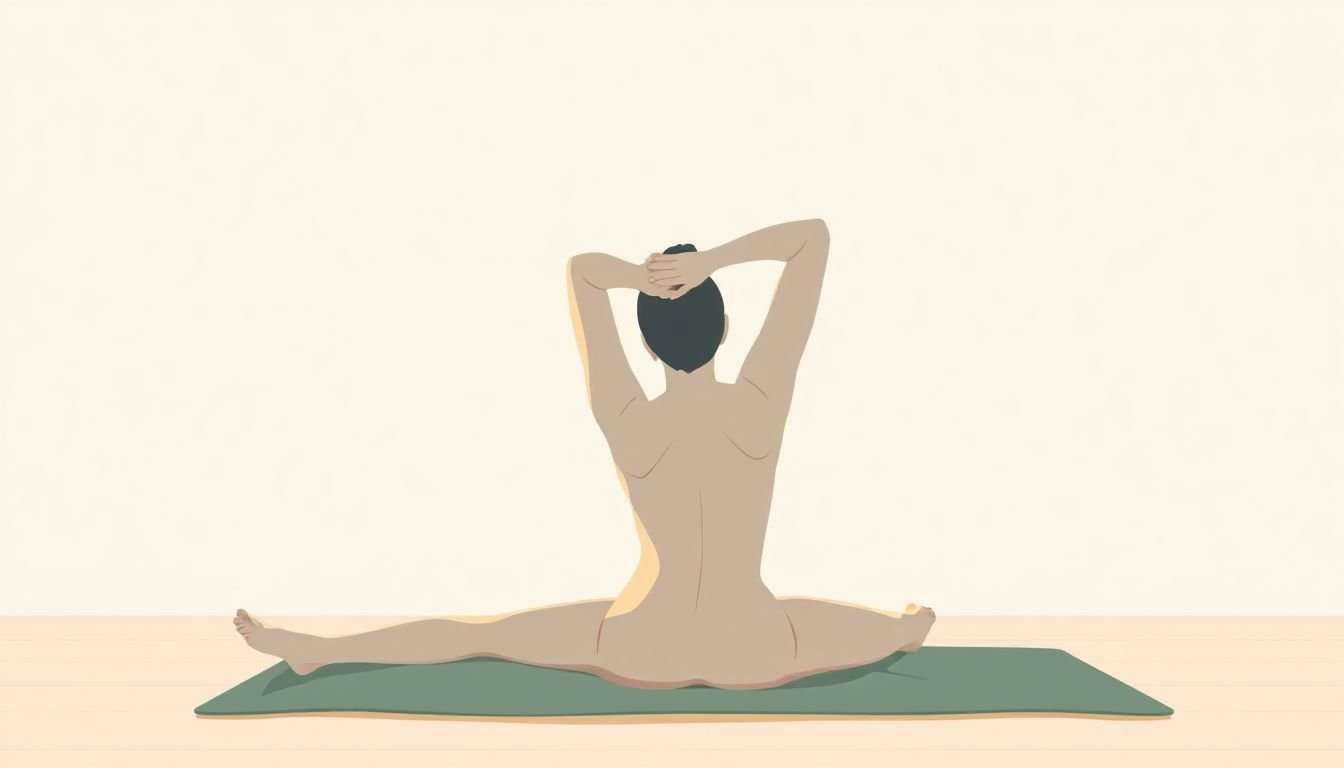
Back pain hits many of us at some point. It makes everyday tasks hard, like lifting groceries or just sitting at a desk. Millions of people suffer, often seeing their work and fun limited. We often talk about two kinds of back pain: acute pain, which comes on fast and usually leaves quickly, and chronic back pain, which sticks around for weeks, months, or even longer.
But here’s the good news: you don’t have to live with a bad back. While chronic back pain is common, much of it is preventable. Simple daily habits can make a huge difference. By taking charge of your back health today, you can avoid a lot of future discomfort. Let’s look at easy steps to keep your spine strong and happy.
Understanding the Pillars of Back Health
Ergonomics in Everyday Life
How we use our bodies all day long really shapes our back health. Your environment plays a huge role. Thinking about ergonomics means setting up your spaces smartly.
At your workstation, make sure your desk height lets your elbows rest comfortably. Your chair needs good lumbar support to keep your spine’s natural curve. Place your monitor so the top is at eye level; this stops you from hunching over. When you lift things, bend your knees, not your back, and keep the object close to your body. This uses your strong leg muscles instead of straining your back. For sleeping, choose a mattress that supports your spine evenly. A good pillow keeps your neck in line with your back, whether you sleep on your side or back.
The Importance of Movement
Your back loves movement. Regular, gentle motion keeps your spine flexible and strong. Consistent, low-impact exercise strengthens the muscles that support your spine.
Walking is a fantastic way to keep your back healthy. Even a short walk each day helps blood flow and keeps muscles loose. Stretching is key for flexibility. It prevents stiffness and can stop small aches from growing into bigger problems. Don’t sit or stand in one spot too long. Make it a habit to take movement breaks, stretching or walking for a few minutes every hour.
Nutrition for Spinal Support
What you eat affects your whole body, including your back. Your diet can fight inflammation, build strong bones, and support healthy muscles. All these things are crucial for back pain prevention.
Look for foods that reduce inflammation. Think about omega-3 fatty acids found in fish like salmon. Antioxidants from colorful fruits and vegetables are also great choices. For bone health, make sure you get enough calcium and Vitamin D. Dairy products, leafy greens, and fortified foods are good sources. Also, don’t forget to drink plenty of water. Your spinal discs need water to stay plump and flexible, helping them cushion your vertebrae.
Cultivating Strength and Flexibility
Core Strengthening Exercises
A strong core is like a natural back brace. It supports your spine and keeps it stable. These exercises build up your abdominal and back muscles.
Try plank variations; they work many core muscles at once. The bird-dog exercise strengthens your lower back and core while improving balance. Glute bridges also help by waking up your glute muscles, which are vital for hip and back support. Actionable Tip: Aim for 2-3 sets of 10-15 repetitions for each exercise daily. This routine will build lasting strength.
Targeted Stretching Routines
Stretching improves your spinal mobility and eases tight muscles. Regular stretching can prevent much pain.
The cat-cow stretch gently flexes and extends your spine, improving flexibility. Knee-to-chest stretches release tension in your lower back. The piriformis stretch targets a muscle deep in your buttock that often causes sciatica-like pain when tight. Actionable Tip: Hold each stretch for 20-30 seconds, repeating 2-3 times. Do this daily for best results.
Low-Impact Aerobic Activities
Activities that get your heart rate up without jarring your spine are perfect for back health. They boost blood flow and overall fitness.
Swimming is excellent because the water supports your body, taking pressure off your back. Cycling, especially on a recumbent bike, is another gentle option. Yoga combines stretching, strength, and balance, all beneficial for your back. Many individuals find relief and prevention by incorporating a 30-minute brisk walk into their daily routine. It’s simple and effective.
Mindful Habits for a Healthy Back
Stress Management Techniques
Stress often shows up as physical tension. Many people hold stress in their neck and shoulders, and even their lower back. This can make back pain worse.
Deep breathing exercises can calm your nervous system and relax tense muscles. Meditation and mindfulness practices help you become more aware of your body and reduce overall stress. When you’re stressed, your posture often suffers; you might hunch or slouch without realizing it. A well-known health expert once stated, “Chronic stress can lead to muscle guarding and increased pain perception.” Managing stress protects your back.
Prioritizing Sleep Quality
Restorative sleep lets your body repair itself. It reduces inflammation and helps muscles recover from the day’s stresses. Poor sleep can leave your back feeling stiff and sore.
Create a sleep-conducive environment. Make your bedroom dark, quiet, and cool. Try to keep a consistent sleep schedule, even on weekends. This helps regulate your body’s natural rhythms. Also, ensure your pillow and mattress provide the right support. They should keep your spine aligned throughout the night.
Hydration for Disc Health
We mentioned hydration earlier, but it is so important it needs repeating. Water intake is vital for the health of your intervertebral discs. These discs are like jelly-filled cushions between your vertebrae.
Doctors generally recommend drinking around eight glasses of water daily, but this can vary. Dehydration can make your discs lose their elasticity, making them less effective at absorbing shock. This can lead to disc problems and back pain. Actionable Tip: Keep a water bottle at your desk and sip throughout the day. This simple habit keeps your discs healthy.
Lifestyle Adjustments for Long-Term Prevention
Avoiding Prolonged Sitting or Standing
Staying in one position for too long, whether sitting or standing, strains your spine. Your back needs variety. Static postures are a silent enemy.
It is really important to take regular breaks to change positions. If you sit, stand up and walk around. If you stand, find a moment to sit or shift your weight. Standing desks are a great way to alternate between sitting and standing, giving your back a break from one position. Actionable Tip: Set a timer to remind yourself to move or change positions every 30-60 minutes. Your back will thank you.
Smart Footwear Choices
What you wear on your feet directly impacts your gait and spinal alignment. Your shoes are the foundation for your posture.
Supportive shoes with good arch support are best. They distribute your weight evenly and absorb shock. High heels can throw your body out of alignment, arching your back unnaturally and stressing your lower spine. Unsupportive footwear, like worn-out sneakers, also offers poor shock absorption. Switching from unsupportive fashion sneakers to well-cushioned athletic shoes can significantly reduce foot and lower back discomfort.
Weight Management for Reduced Spinal Load
Excess body weight adds strain to your back. The more you weigh, especially around your abdomen, the harder your back muscles work. This can make back pain much worse.
Extra weight, particularly in your belly, pulls your pelvis forward. This changes your posture and increases the curve in your lower back. This creates mechanical stress on the lumbar spine. A report from a leading health organization states, “Obesity is a significant risk factor for chronic low back pain.” Managing your weight reduces this pressure and supports a healthy spine.
When to Seek Professional Help
Recognizing Warning Signs
Sometimes, self-care isn’t enough. It’s important to know when to seek medical advice. Ignoring severe symptoms can lead to bigger problems.
Watch out for persistent or worsening pain. If your pain radiates down your leg, often called sciatica, it could signal nerve involvement. Numbness, tingling, or weakness in your legs are also serious warning signs. Any back pain that follows an injury, like a fall or accident, should also be checked by a doctor.
Consulting Healthcare Professionals
Many experts can help with back pain. Finding the right professional early can prevent long-term issues.
Your family doctor (GP) is a good starting point. They can refer you to specialists like an Orthopedist or Neurologist. Physical Therapists teach you exercises and stretches to regain strength and flexibility. Chiropractors focus on spinal adjustments and alignment. An experienced healthcare provider often says, “Early intervention from a qualified healthcare provider can prevent minor back issues from becoming chronic.” Don’t delay getting help.
Conclusion
Preventing chronic back pain doesn’t need huge life changes. It’s all about small, consistent daily habits. Focus on moving your body, setting up your workspace correctly, and keeping your core strong. Don’t forget how important stress management, good sleep, and hydration are. Making smart choices about your shoes and weight also plays a big part.
By weaving these simple steps into your everyday life, you can significantly lower your risk of developing chronic back pain. You’ll also boost your overall quality of life. Start small, perhaps by taking a short walk today or adjusting your chair. Consistency is key. Your back will thank you for taking good care of it.
1 thought on “Daily Habits to Prevent Chronic Back Pain”